What Is a Short Sale in Florida?
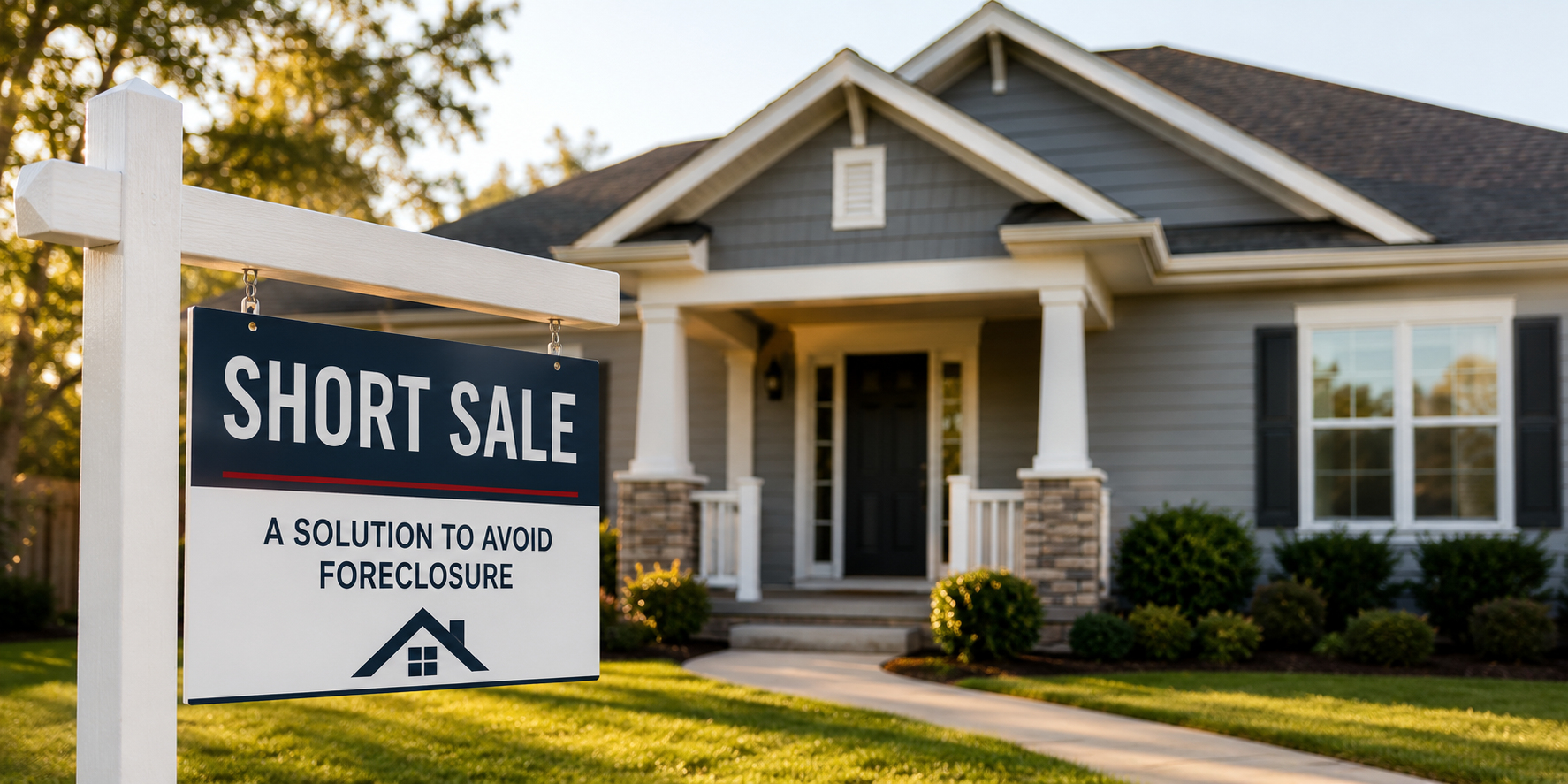
What is a short sale in real estate, and how does it work in Florida?
A short sale happens when a homeowner owes more on their mortgage than the home can realistically sell for in the current market. In those situations, the bank may agree to let the property sell for less than the amount owed instead of going through a foreclosure.
As an agent with CrossView Realty serving areas like Jacksonville, St. Augustine, and Ponte Vedra Beach, I’ve seen short sales create opportunities for both buyers and sellers when handled correctly.
How Does a Short Sale Work in Florida?
From time to time, I work with sellers who owe more on their mortgage than the property is worth. Sometimes that happens because the market changed, but more often it’s because the homeowner experienced a major financial hardship like job loss, illness, divorce, or reduced income.
For example, let’s say someone bought a home for $300,000 and still owes $285,000 on the mortgage. If the home’s current market value is only $250,000, the seller may not be able to bring the extra cash needed to closing to pay off the loan balance.
Without a solution, that property could eventually end up in foreclosure.
In some situations, the lender may suggest a short sale instead. That means the bank agrees to accept less money than what is owed on the mortgage so they can avoid the time, expense, and legal process of foreclosure.
Why Would a Bank Approve a Short Sale?
Most banks understand that foreclosure can become expensive and time-consuming. Maintaining a vacant property, handling legal costs, and reselling the home later often creates even bigger losses for the lender.
A short sale can sometimes reduce those losses.
Once the home is listed and an offer is accepted, the bank reviews the entire package before giving final approval. That review usually includes:
The purchase offer
The seller’s financial hardship information
Market value analysis
Estimated closing costs
Mortgage payoff details
In many cases, the approved price also includes typical closing costs and real estate commissions.
One thing buyers need to understand is that the seller cannot fully approve the deal on their own. The lender has the final say.
How Long Does a Short Sale Take?
One of the biggest differences between a traditional sale and a short sale is the timeline.
A normal home closing in Florida may take around 30 days, but a short sale can easily take 30 to 60 days or longer depending on how quickly the lender responds.
Sometimes banks move slowly because several departments have to review the file before approval is issued. That delay can frustrate buyers who expect a quick answer.
In the Northeast Florida market, I always tell buyers to be patient if they are pursuing a short sale property. The process can work, but expectations need to be realistic from the beginning.
Does a Short Sale Hurt Your Credit?
Yes, a short sale can negatively affect a seller’s credit, but in many cases it is still less damaging than a foreclosure.
Every financial situation is different, so I always recommend sellers speak with a financial advisor, tax professional, or attorney before making decisions about a short sale.
One important detail many homeowners don’t realize is that the difference between what was owed on the mortgage and what the bank accepted could potentially be treated as taxable income. That can create a tax consequence at the end of the year.
For example, if someone owed $285,000 and the bank accepted $250,000, that remaining difference may be reported as forgiven debt income depending on the situation and current tax laws.
Because Florida homeowners’ situations can vary, professional tax guidance is extremely important before moving forward.
Are Short Sales Good for Buyers?
Short sales can sometimes create opportunities for buyers to purchase a property below surrounding market prices, especially in areas like Jacksonville Beach, Mandarin, or Fleming Island.
However, buyers also need to understand the tradeoffs:
Longer approval times
Potential property condition issues
Limited seller repairs
Extra lender documentation
Uncertainty until the bank approves the sale
That’s why having an experienced local real estate agent matters during a short sale transaction.
Final Thoughts on Short Sales in Florida
Short sales are not as common as they were during past market downturns, but they still happen in Florida from time to time. When handled properly, they can provide an alternative to foreclosure and help both sellers and lenders reduce financial damage.
I always encourage homeowners to address financial hardship early instead of waiting until foreclosure becomes unavoidable. The sooner conversations begin, the more options are usually available.
If you’re dealing with a possible short sale situation in Jacksonville or anywhere in Northeast Florida, I’m happy to talk through the process and help you understand your options.
Let’s Talk About Your Situation
If you have questions about short sales, foreclosure alternatives, or the current Northeast Florida housing market, give me a call directly.
I’m Michael Nobles with CrossView Realty, and I help buyers and sellers throughout Jacksonville, St. Johns, Atlantic Beach, and surrounding areas navigate difficult real estate situations with honest guidance and practical solutions.
Phone: 904-465-3536
Email: mike@crossviewrealty.com
Website: michaelnoblesrealtor.com
Frequently Asked Questions
Q: What is a short sale in Florida?
A: A short sale in Florida is when a lender agrees to let a home sell for less than the amount owed on the mortgage. It’s often used when a homeowner is experiencing financial hardship and cannot afford to bring money to closing.
Q: Does a short sale hurt your credit less than foreclosure?
A: In many cases, yes. A short sale can still impact your credit, but it is often viewed as less severe than a foreclosure. I always recommend speaking with a financial professional about your specific situation.
Q: How long does a short sale take in Jacksonville, Florida?
A: Most short sales take longer than traditional home sales because the lender has to approve the transaction. In Jacksonville and Northeast Florida, timelines commonly range from 30 to 60 days or longer.
Q: Can buyers get a good deal on a short sale home?
A: Sometimes they can. Short sales may offer opportunities below market value, but buyers also need patience because bank approvals can take time and homes are often sold as-is.
Q: Should I wait until foreclosure before considering a short sale?
A: No. I usually tell homeowners to explore options as early as possible. The earlier you address the situation, the more flexibility you may have with the lender and the overall process.