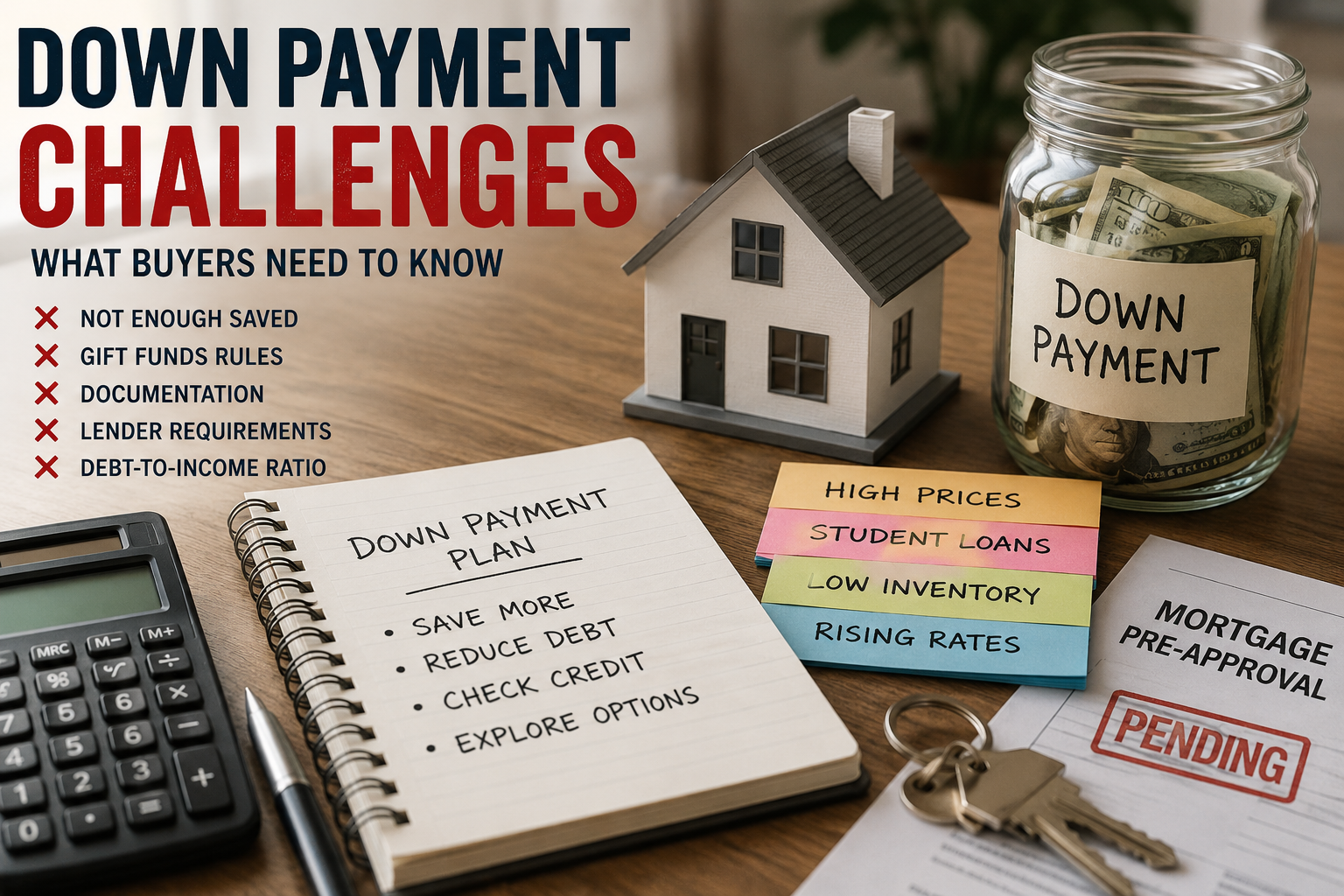
Can I Borrow My Down Payment When Buying a Home?
Can you borrow money for a down payment when purchasing a home in Florida?
The answer is sometimes yes, but it depends on where the money comes from, how the home is being financed, and whether the lender allows it. Most lenders want to see that the buyer has legitimate funds available and that everything is properly documented before closing.

How Should You Speak With Your Real Estate Agent?
What’s the best way to communicate with your real estate agent during a real estate transaction?
The best communication with a real estate agent is clear, direct, and documented when necessary. Quick questions may work well through text or email, but larger discussions involving contracts, pricing, negotiations, or financial terms should usually happen over a phone call followed by written confirmation.
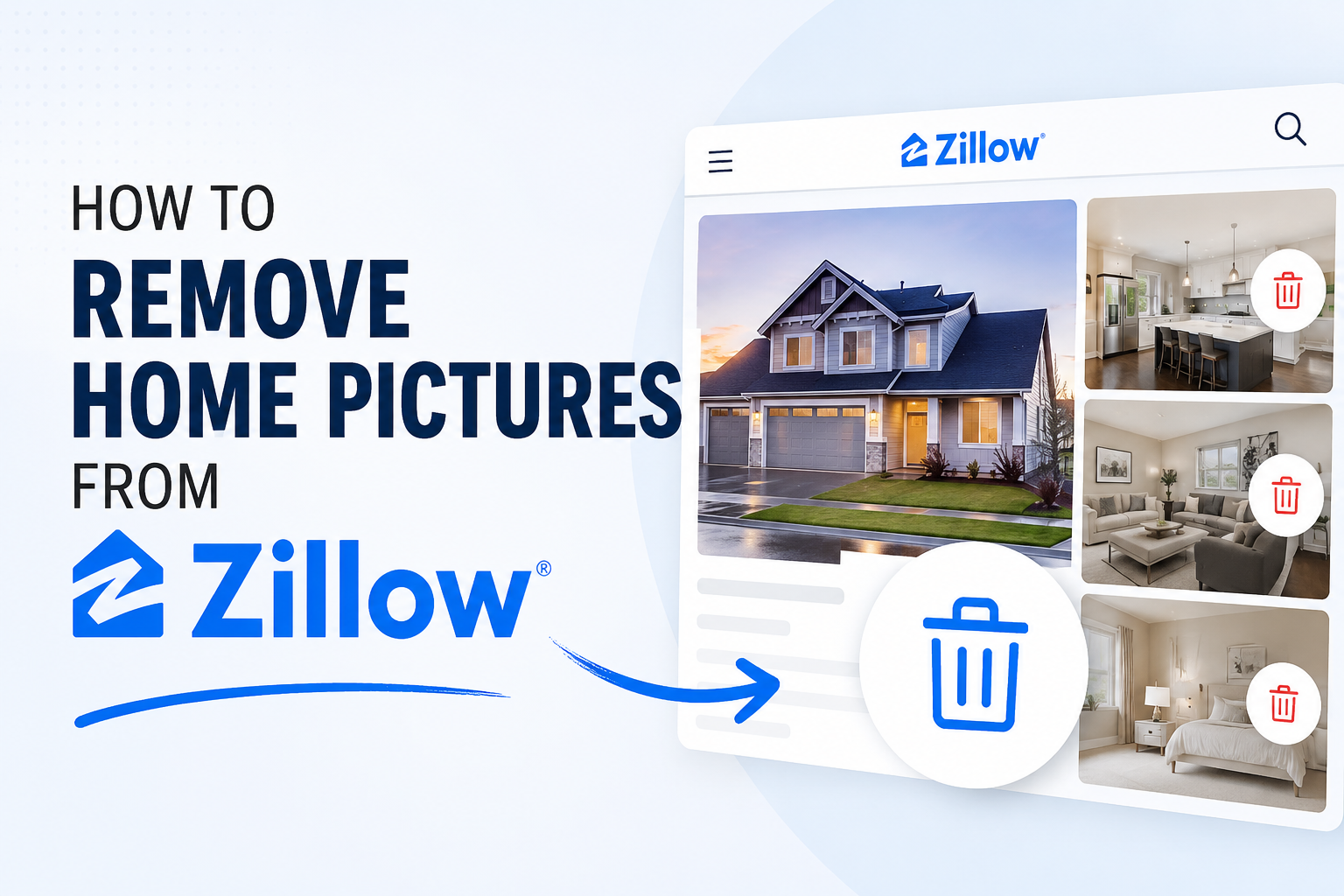
How to remove your home photos from Zillow
To remove photos of your home from Zillow, claim your home to gain owner access, then use the "Edit Facts" option in the Owner View to delete or hide images. Alternatively, you can contact the original listing agent to request they remove the photos from the MLS, which feeds into Zillow. [1, 2, 3, 4]
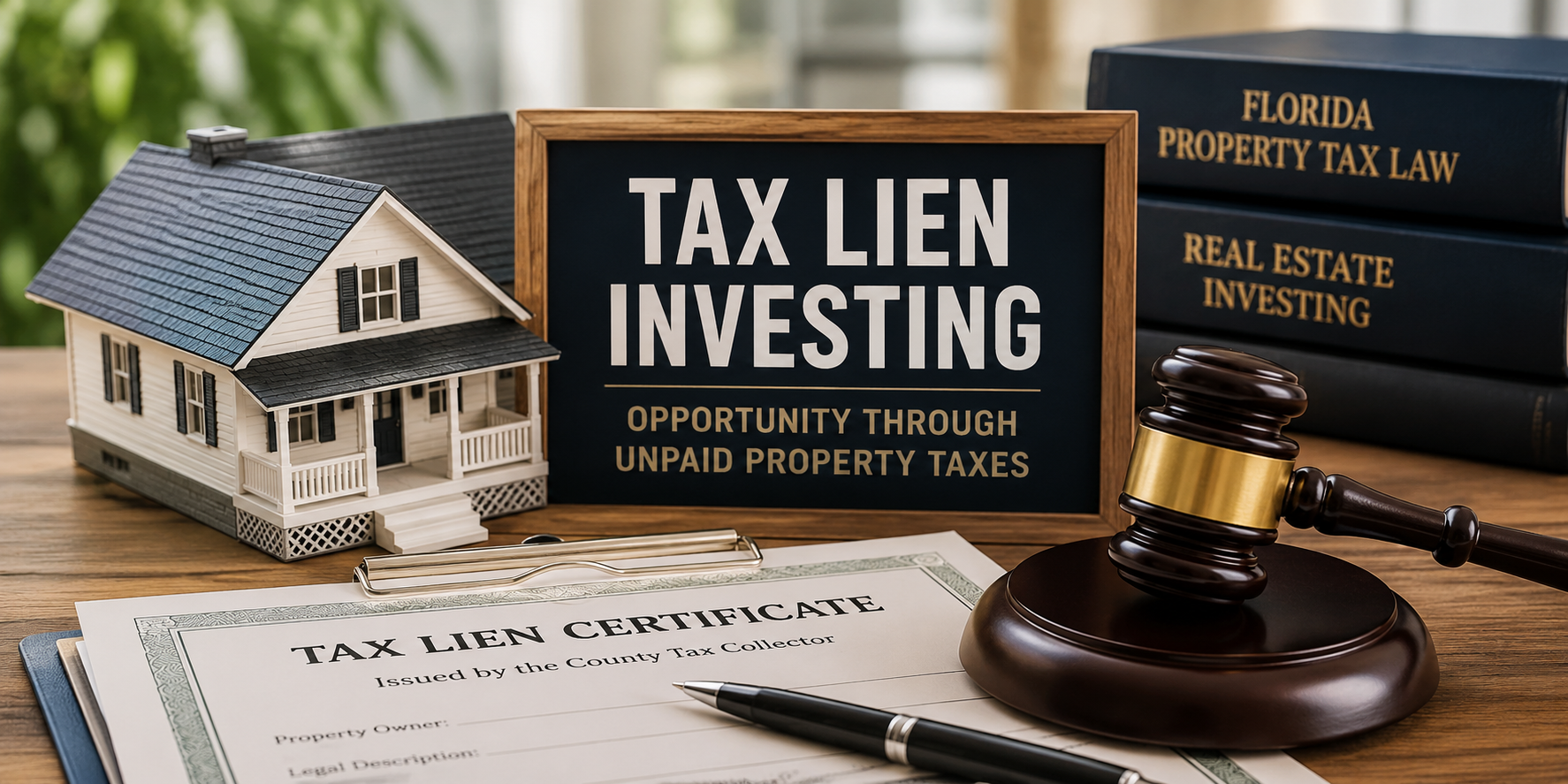
How to Buy Tax Liens in Florida
How do tax liens work in Florida, and can you really buy property through unpaid taxes?
In Florida, investors can purchase tax certificates on properties with unpaid property taxes. If those taxes remain unpaid long enough, the process can eventually lead to a tax deed sale where investors may have an opportunity to acquire real estate below market value.
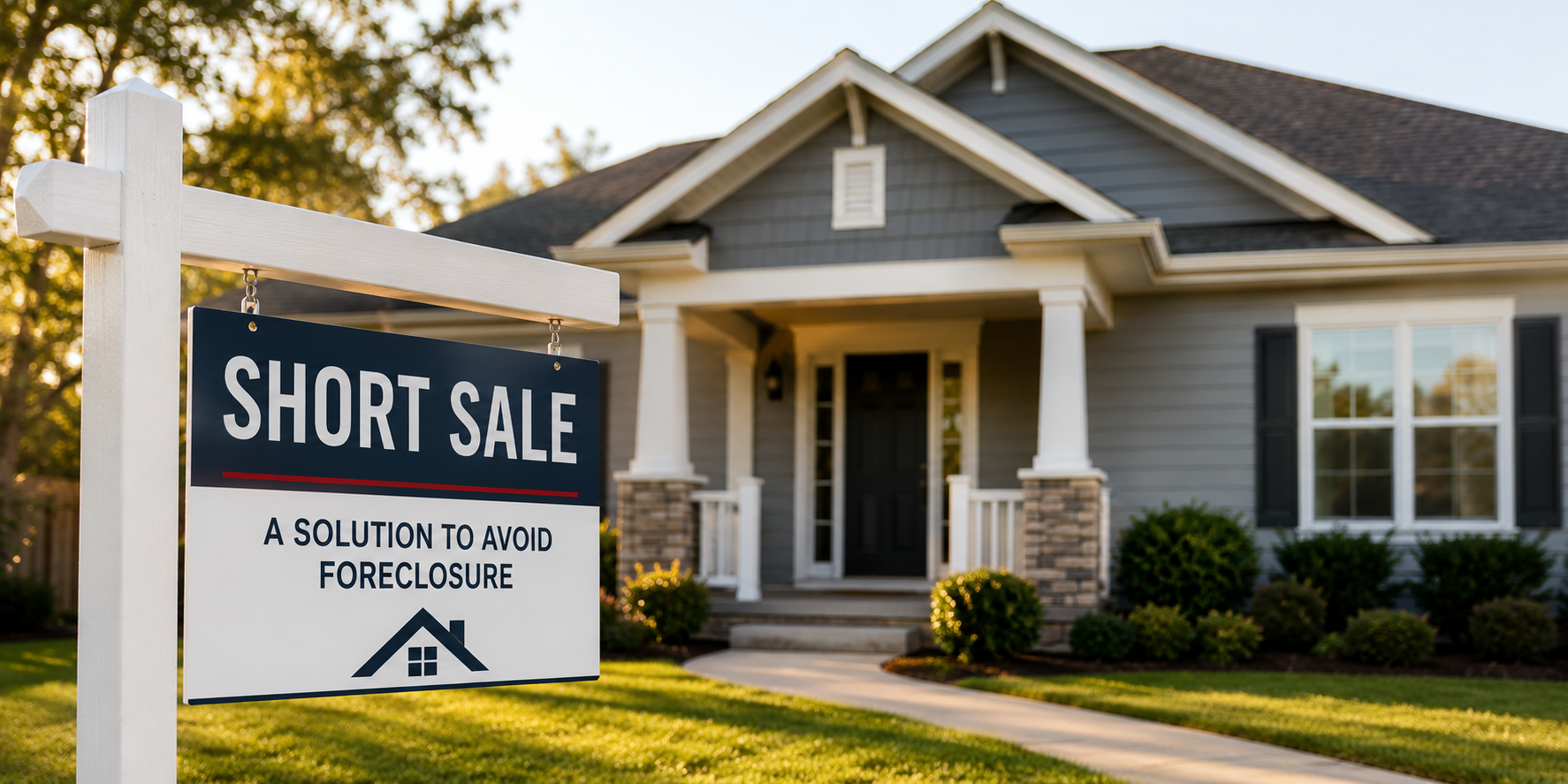
What Is a Short Sale in Florida?
What is a short sale in real estate, and how does it work in Florida?
A short sale happens when a homeowner owes more on their mortgage than the home can realistically sell for in the current market. In those situations, the bank may agree to let the property sell for less than the amount owed instead of going through a foreclosure.
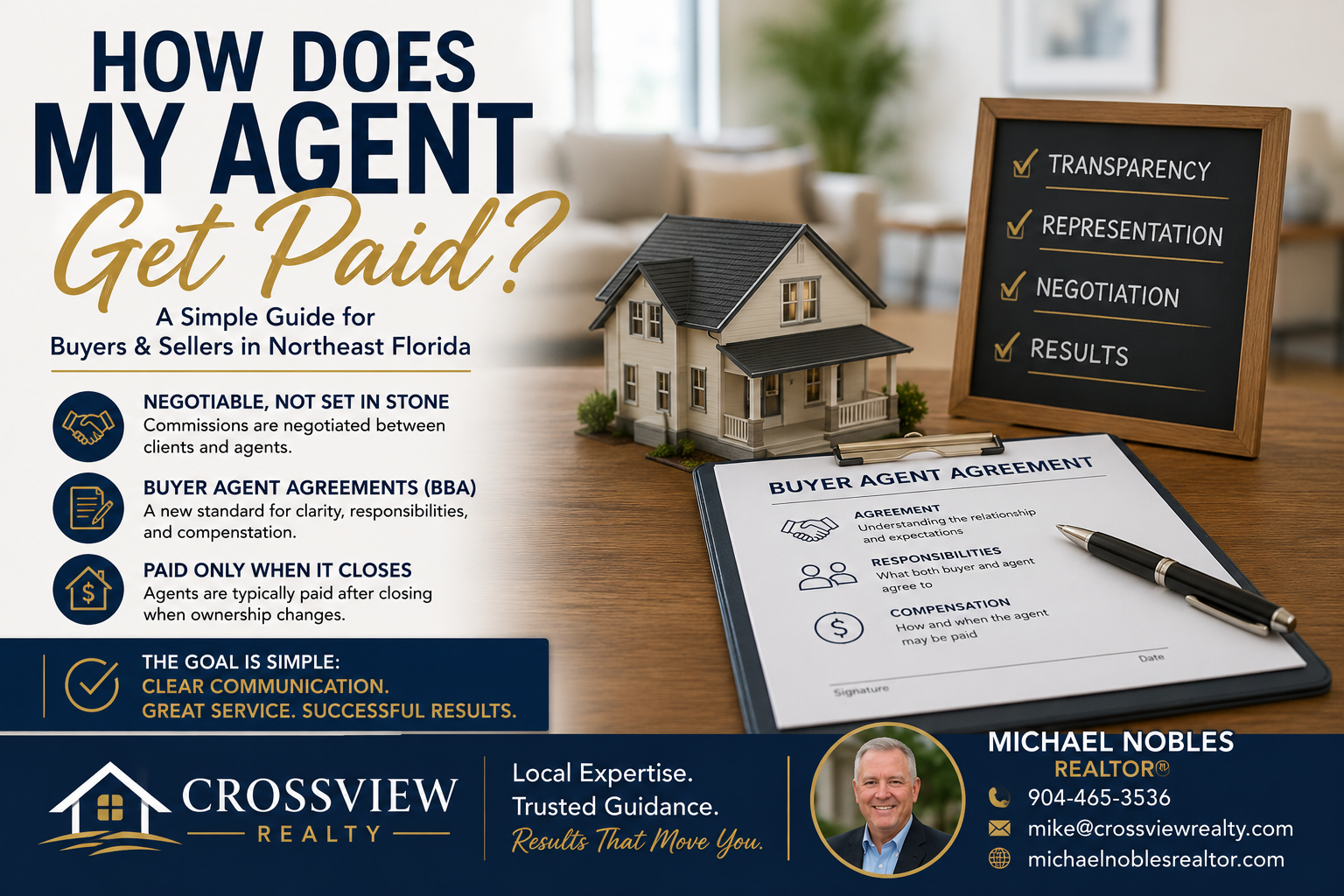
How Does a Real Estate Agent Get Paid?
Who actually pays the real estate agent in a home transaction?
In Florida, real estate commissions are negotiable and are outlined through agreements between clients and agents. Buyer agent agreements now help explain representation, responsibilities, and how compensation may be handled during a transaction.

What Is My House Worth?
How do you really determine what a house is worth in today’s market?
A home’s value is based on more than just online estimates. The best way to determine value is through a detailed comparative market analysis, evaluating recent sales, current competition, condition, updates, and the overall presentation of the property.

What Is My House Worth?
How do you really determine what a house is worth in today’s market?
A home’s value is based on more than just online estimates. The best way to determine value is through a detailed comparative market analysis, evaluating recent sales, current competition, condition, updates, and the overall presentation of the property.

Should I Buy or Rent in This Market?
Should I buy or rent in today’s Northeast Florida housing market?
In most cases, if you plan to stay in the area for several years and are financially prepared, I believe buying a home is one of the best long-term financial decisions you can make. Renting may make sense short term, but owning allows you to build equity and long-term wealth instead of helping pay off someone else’s mortgage.
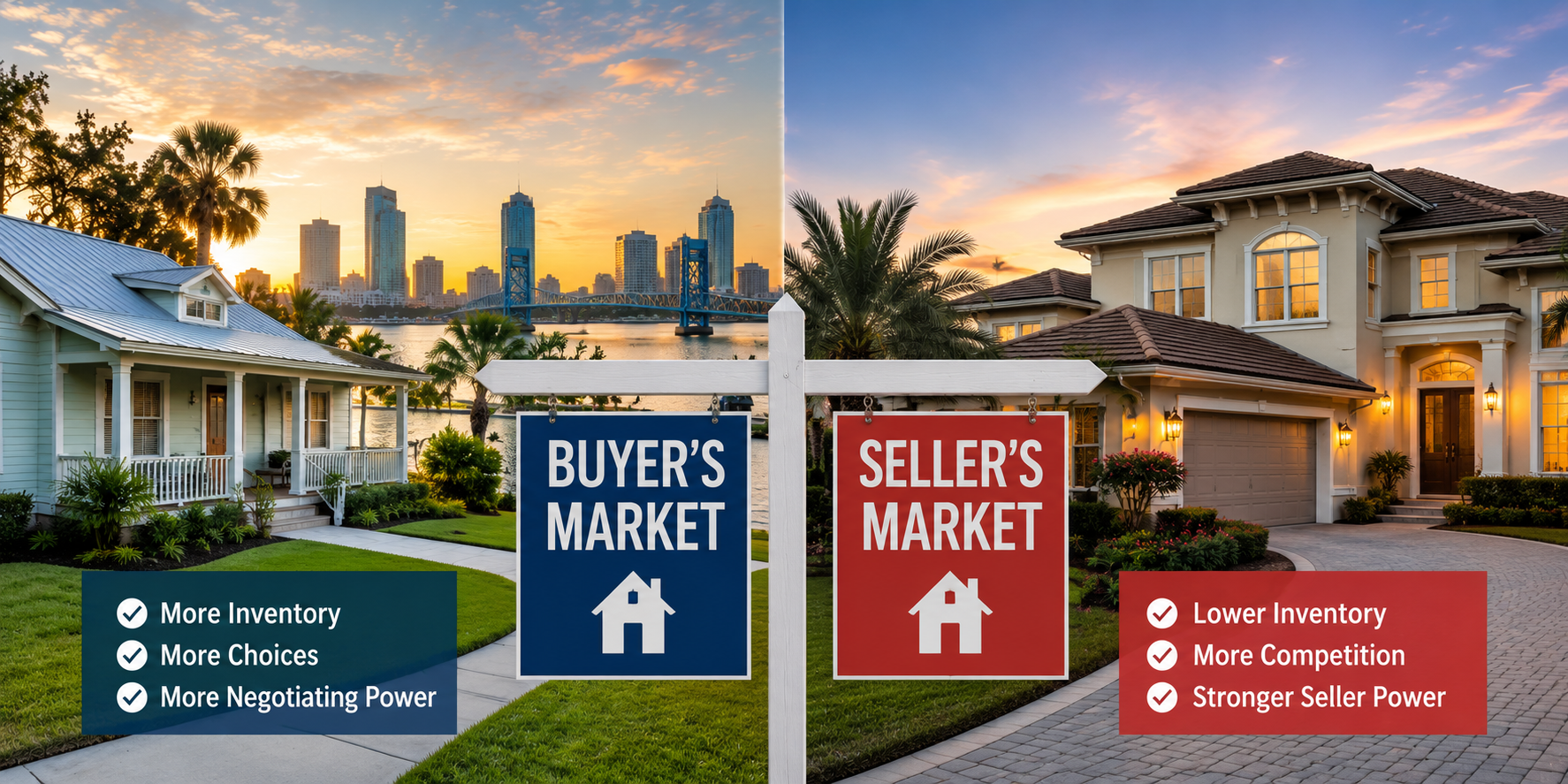
What’s the Difference Between a Buyer’s Market and a Seller’s Market?
What exactly is the difference between a buyer’s market and a seller’s market?
A seller’s market happens when there are more buyers than homes available, giving sellers more negotiating power. A buyer’s market happens when there are more homes for sale than buyers, giving buyers more leverage during negotiations.
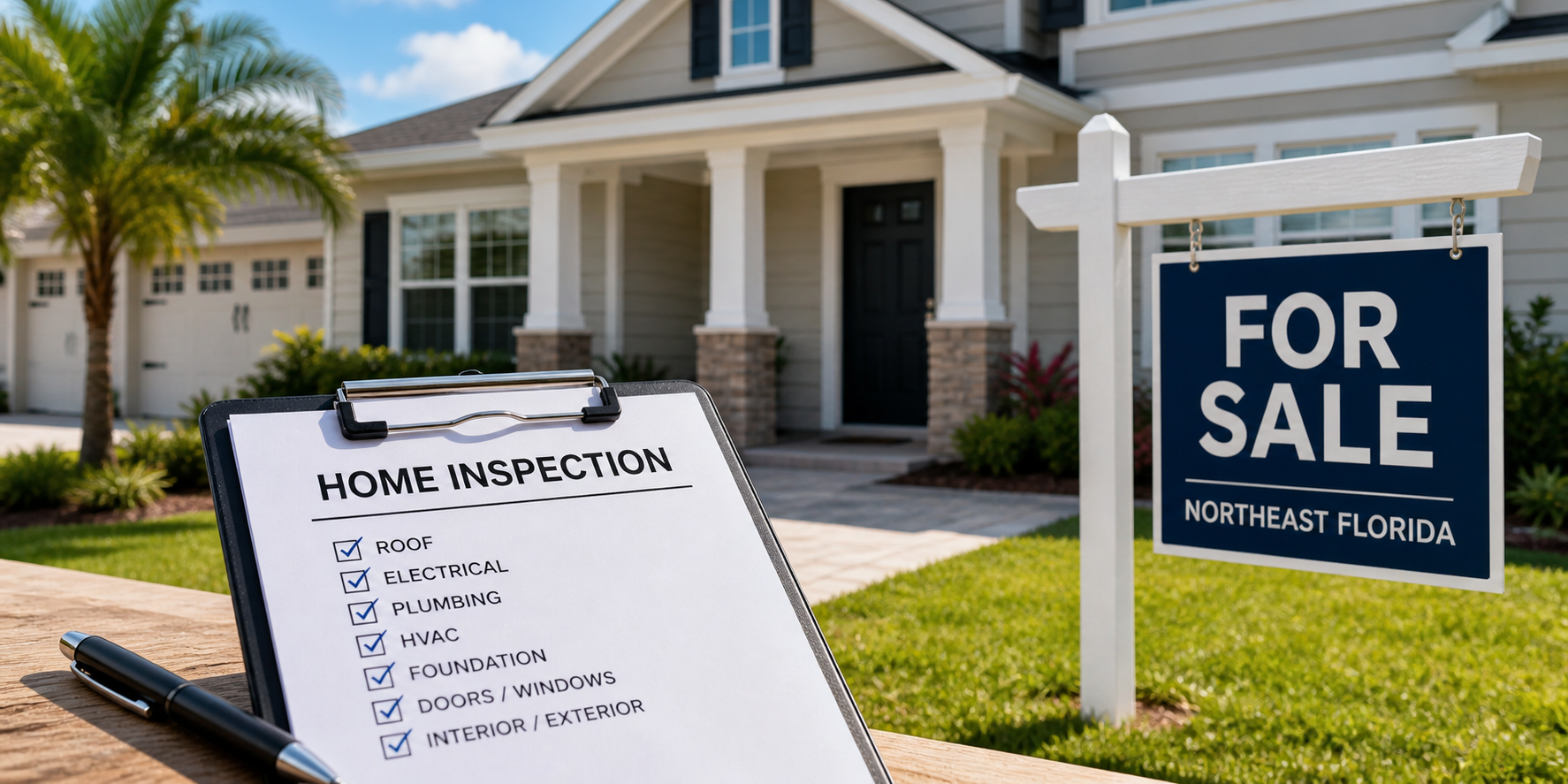
Should You Get a Home Inspection Before Selling Your House in Jacksonville, FL?
Should you have your home inspected before putting it on the market?
In most cases, yes — a pre-listing inspection can help you avoid surprises, reduce stress, and give you more control during the negotiation process.
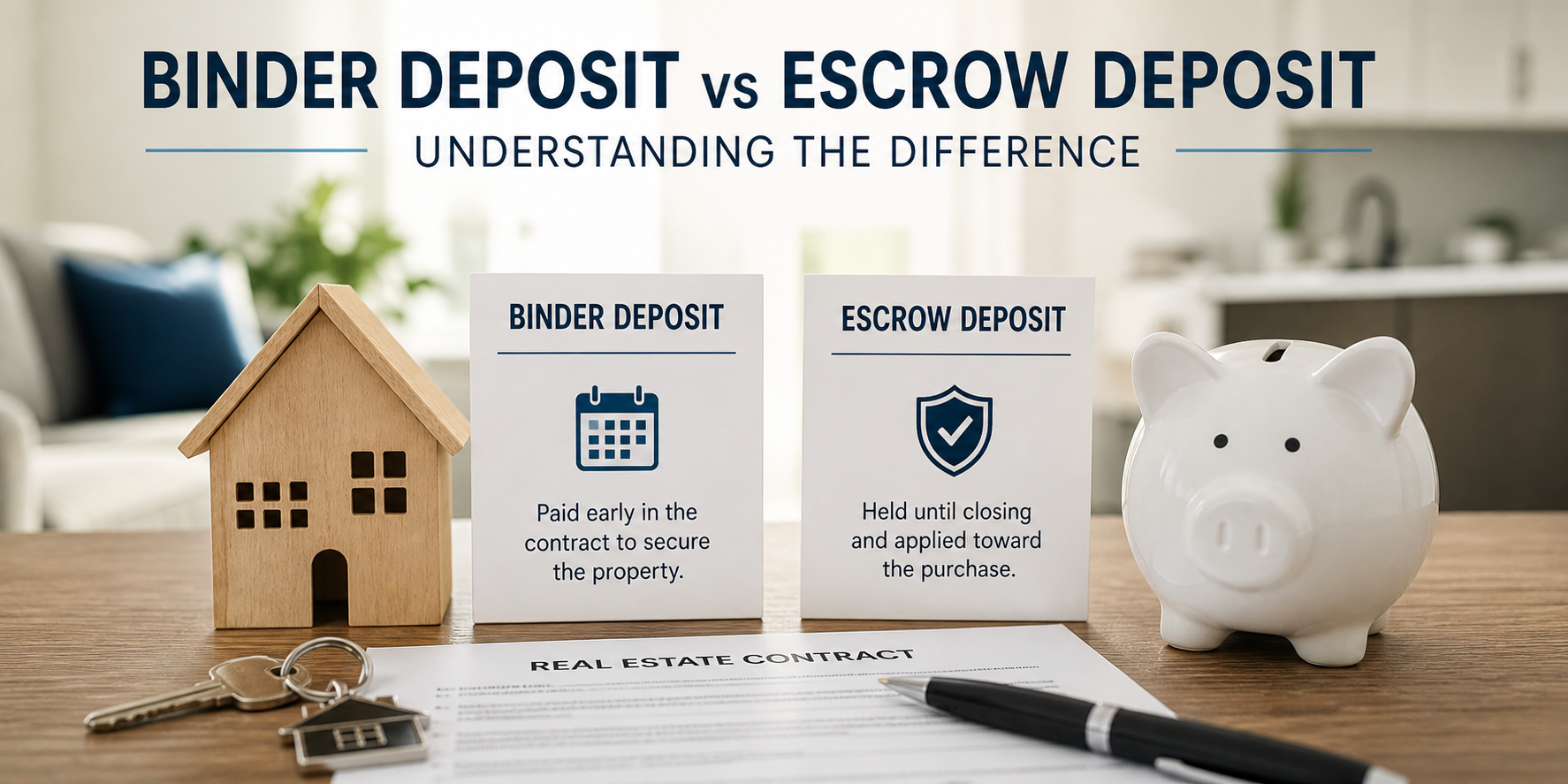
Binder Deposit vs Escrow Deposit Florida: What’s the Difference?
Is a binder deposit the same as an escrow or financial deposit in Florida real estate?
Not exactly. They’re both important parts of the transaction, but they happen at different times and serve different purposes.
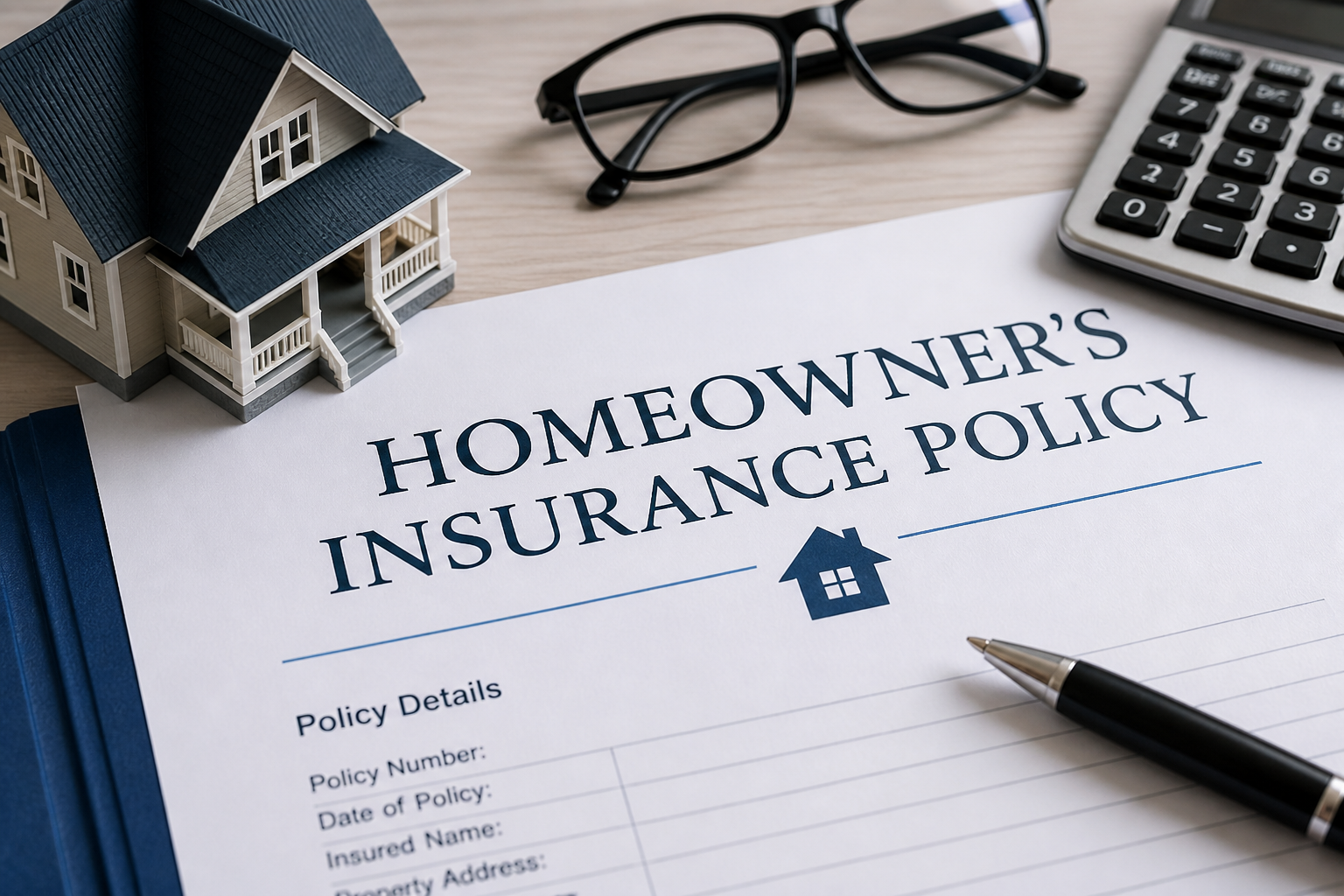
Homeowners Insurance Ordinance or Law Coverage in Florida: What I Help My Buyers Understand
What is ordinance or law coverage in homeowners insurance, and why should Florida home buyers care about it?
Ordinance or law coverage is a part of your homeowners insurance that helps pay the extra cost to bring a home up to current building codes after a covered loss. In Florida, especially in older homes across Jacksonville and Northeast Florida, this coverage can significantly impact what you actually pay out of pocket after a major repair or rebuild.

How to Sell a House in Jacksonville FL: What Sellers Need to Know About Taxes & Strategy
When I sell my home in Florida, what will my future property taxes look like on my next purchase?
When I walk sellers through this process, I always explain that Florida’s Save Our Homes benefit can significantly impact your future property taxes—and in many cases, that impact is very positive.
Buyer Broker Agreement Florida: Do You Need One?
Do I need a buyer’s agent agreement in Florida before I start looking at homes?
Yes — in most cases, you do now. As of August 2024, buyers are required to sign a buyer broker agreement before touring homes with an agent in Florida.
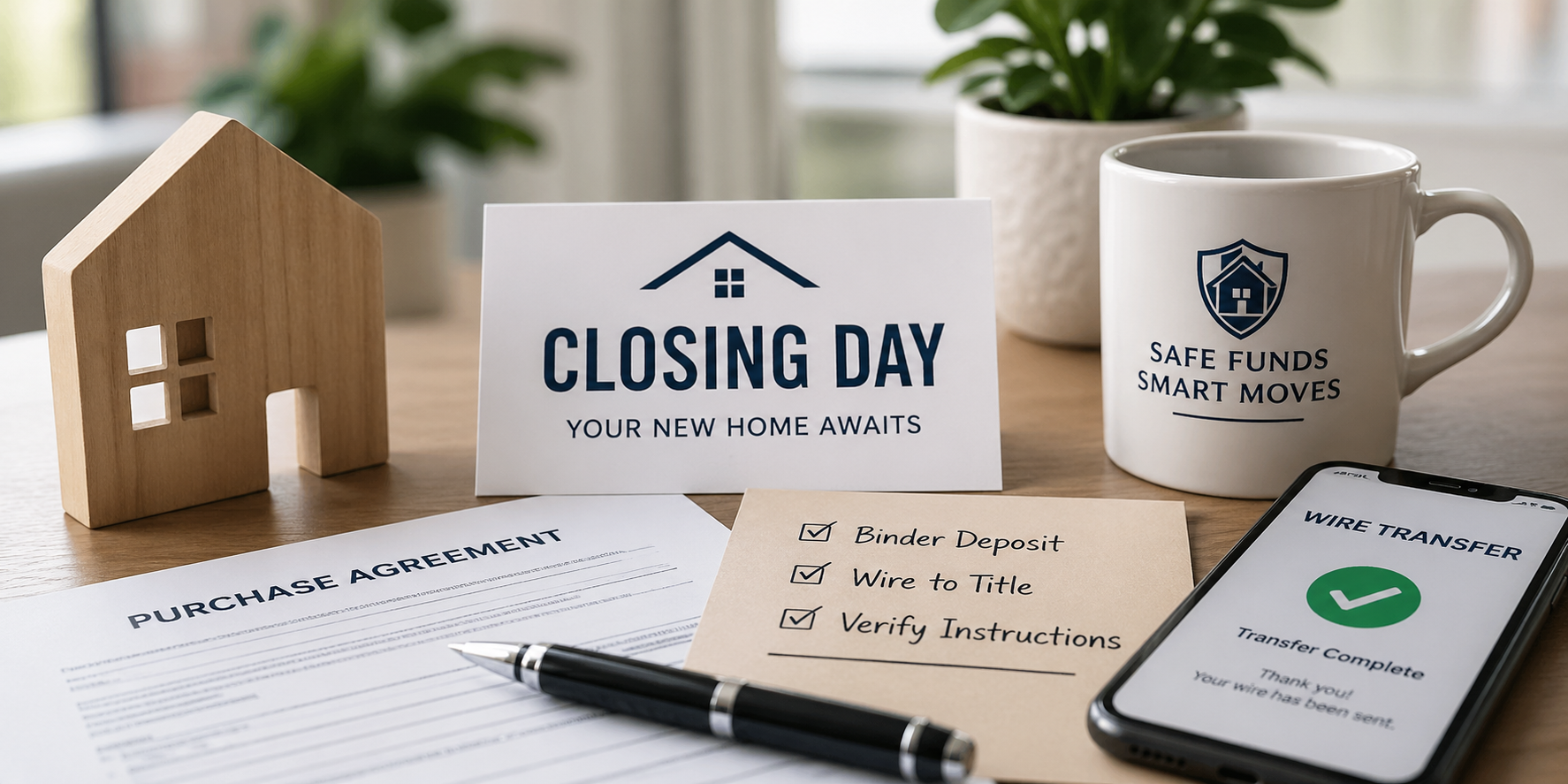
How to Wire Money for Closing in Florida (And Handle Your Binder Deposit Safely)
How do you safely wire money for closing in Florida and handle your binder deposit without risking fraud?
The safest way to handle your binder deposit and closing funds in Florida is to wire directly to the title company—but always verify wiring instructions by phone using a trusted number before sending anything.
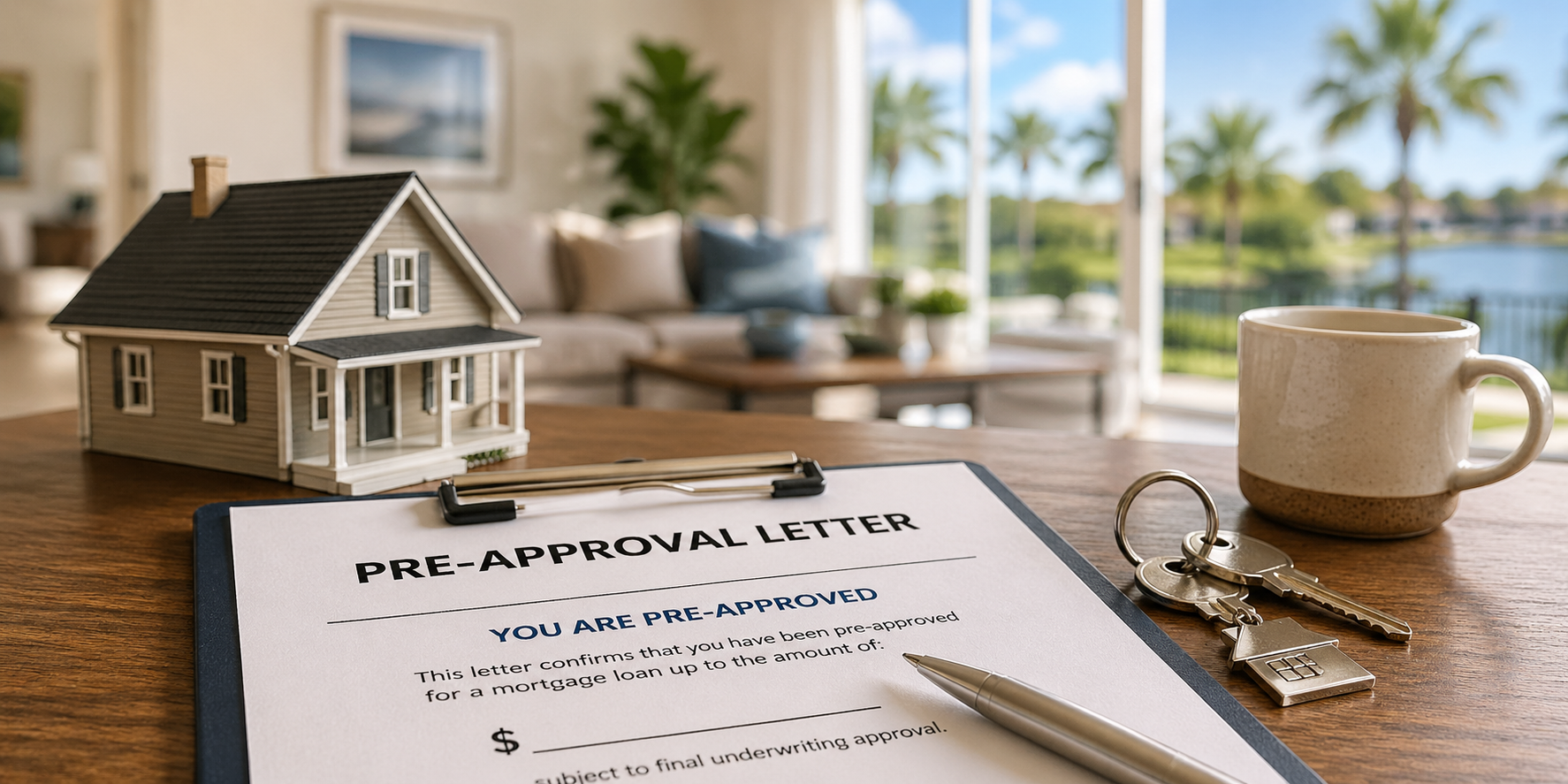
Why You Need a Pre-Approval Letter Before Looking at Homes
Do you really need a pre-approval letter before you start touring homes?
Yes — and skipping this step can cost you time, money, and a lot of frustration.
A pre-approval letter tells you exactly what you can afford and keeps you from falling in love with a home that’s outside your reach.